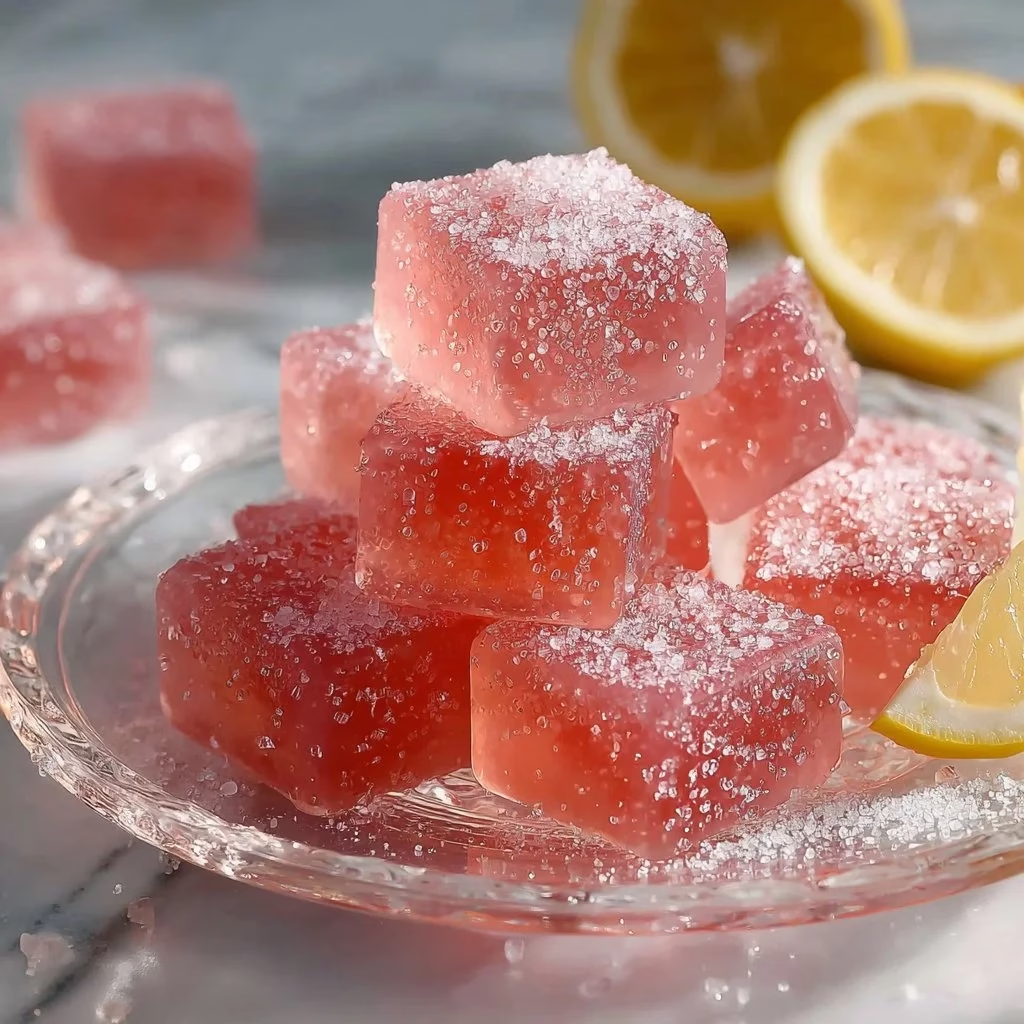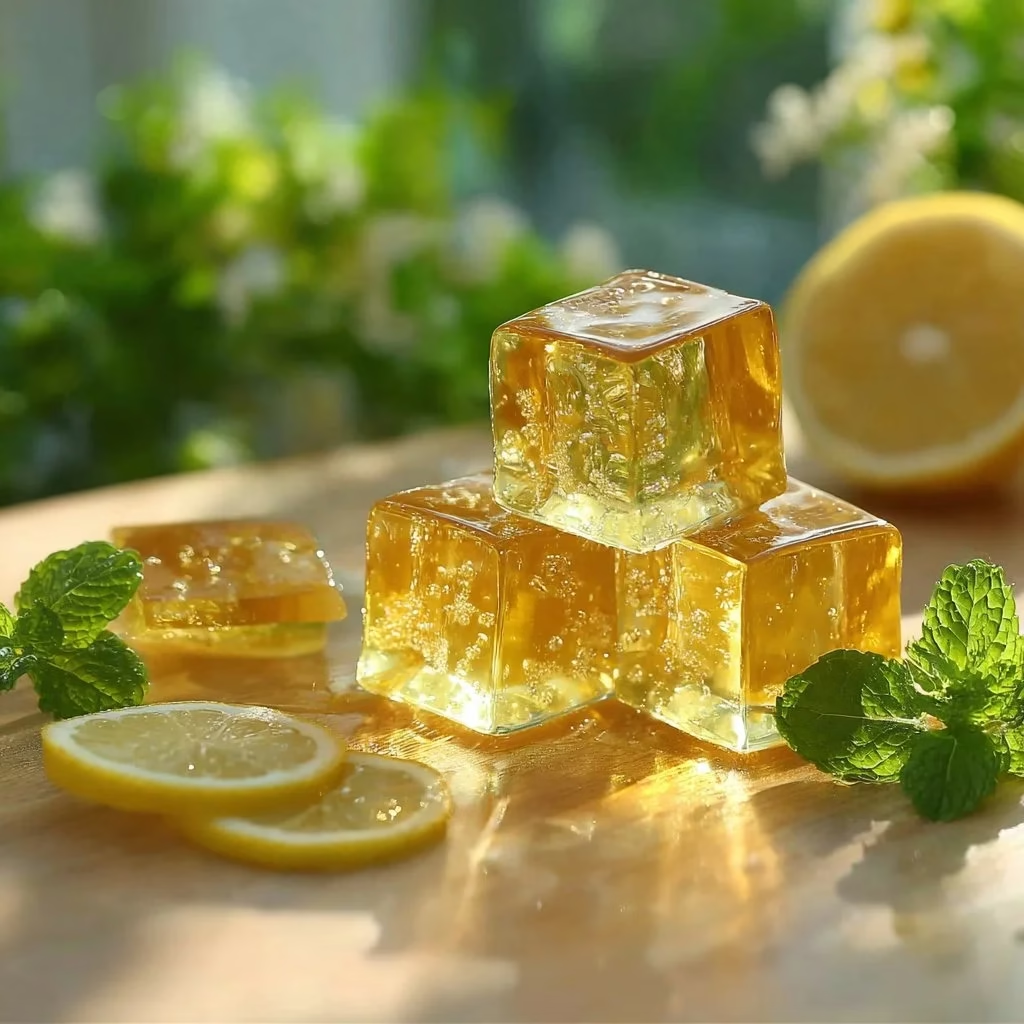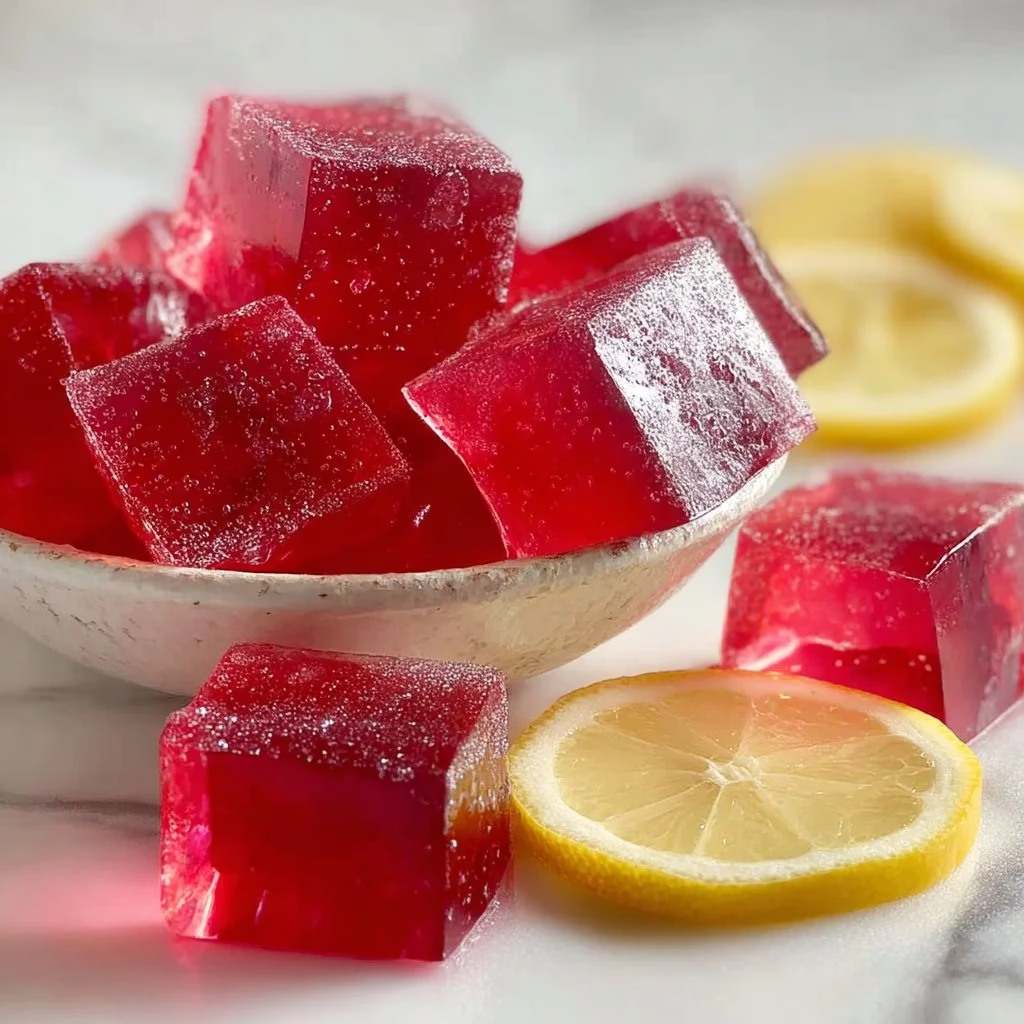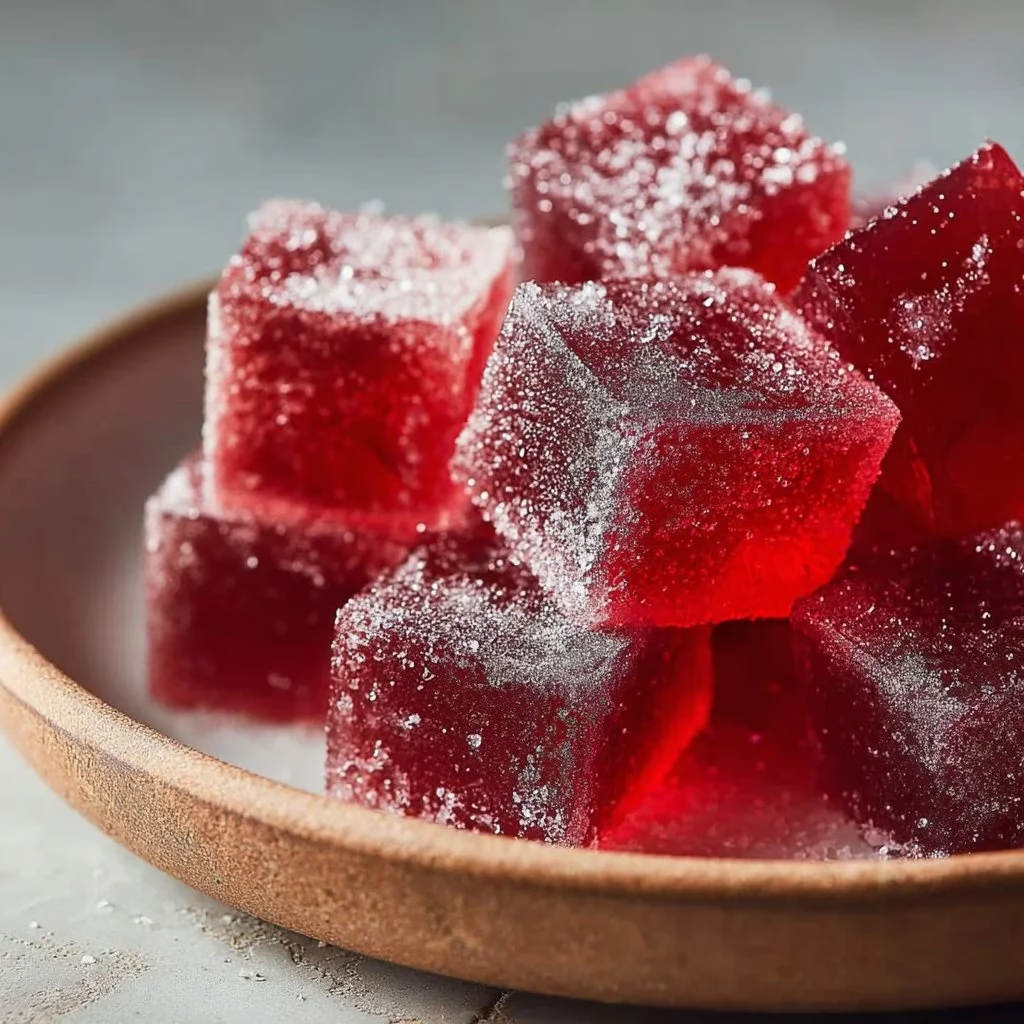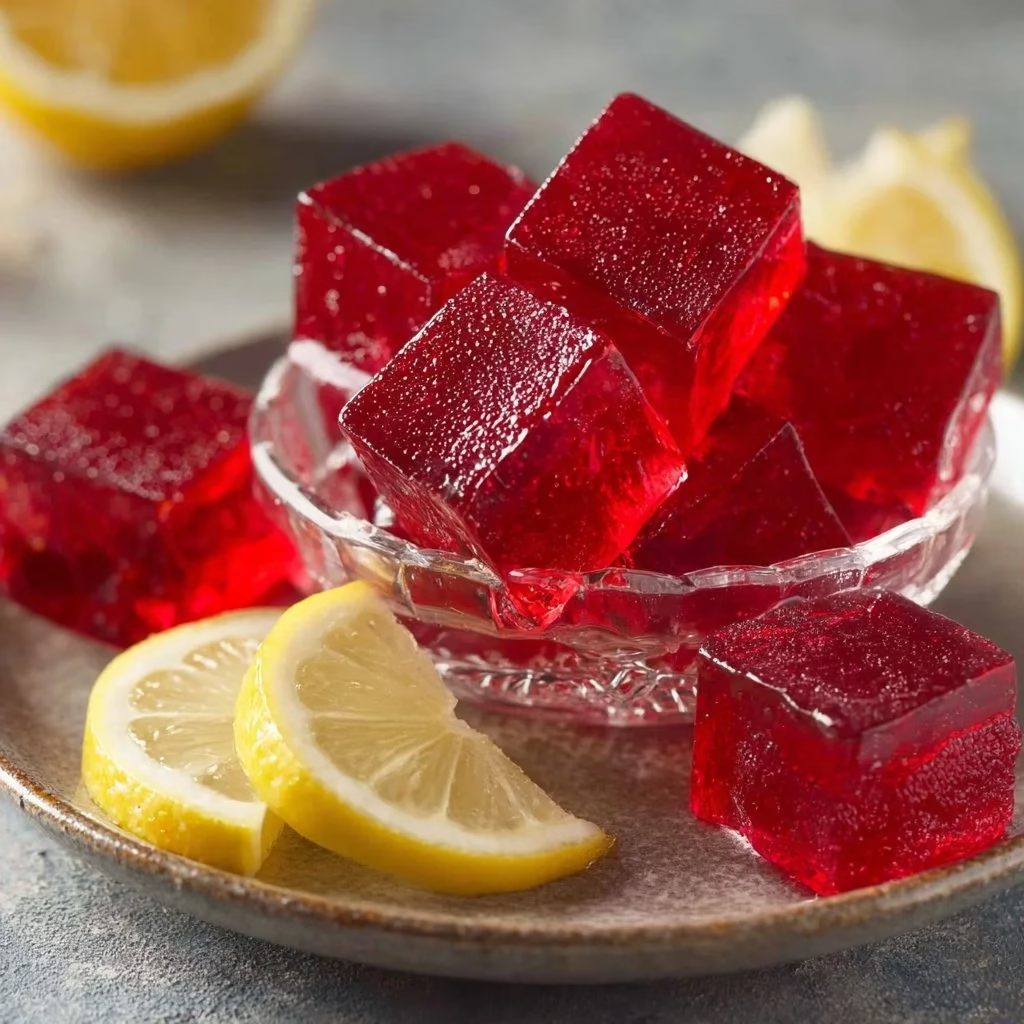
Lemon gelatin is a simple, refreshing gelatin snack made with lemon juice, gelatin powder, and a touch of sweetener or fruit. People often use it as a low-calorie treat or as part of a slimming routine because it is filling, easy to portion, and can help curb sweet cravings. The taste is bright and tangy, the texture is smooth and slightly wobbly, it is usually served chilled, and the aroma is clean and citrusy. If you enjoy light desserts that feel indulgent without a lot of calories, this is a great recipe to try and adapt to your preferences. For a quick variation and tonic-style approach, see this lemon gelatin tonic recipe for ideas on flavor and timing lemon gelatin tonic recipe.
What Is Lemon Gelatin?
Lemon Gelatin is a gelatin-based preparation that highlights lemon for flavor and acidity. It typically combines powdered gelatin with fresh lemon juice, water, and a low-calorie sweetener or a small amount of sugar, then chills until set. The result is a light, wobbly dessert or snack that many people use as an alternative to higher-calorie sweets.
People use Lemon Gelatin for slimming because gelatin is protein-based and can promote a sense of fullness with very few calories. Some variations include added ingredients like apple cider vinegar or collagen for perceived metabolic or digestive benefits, though evidence is mixed and individual responses vary. For ideas on a simple three-ingredient approach to gelatin for weight loss, consider this 3-ingredient gelatin recipe for weight loss to see how minimal setups can be effective 3-ingredient gelatin recipe.
Why People Love This Lemon Gelatin Method for Weight Loss
Many people appreciate that Lemon Gelatin is both easy to prepare and easy to fit into daily routines, making it a practical option for managing portions and cravings. The chilled texture and bright citrus flavor make it feel satisfying after meals, and its low calorie count means it can be enjoyed more freely than typical desserts.
- Easy ingredients and simple prep make it accessible to most cooks.
- Low cost per serving helps keep budgets on track.
- Fits well into meal planning as a pre-portioned snack or dessert.
- Helps curb sweet cravings without a lot of added sugar.
- Supports hydration when made with water and served chilled.
Ingredients
- Gelatin powder (unflavored): Provides structure and a protein boost; can be substituted with agar-agar for a vegetarian version.
- Fresh lemon juice: Adds bright flavor and acidity; bottled lemon juice can be used in a pinch.
- Water: Acts as the base; use filtered or still water for clean taste.
- Sweetener (honey, sugar, or a low-calorie option): Balances tartness; erythritol or stevia work for low-calorie swaps.
- Optional: Fresh lemon zest or a few drops of vanilla extract for aroma and complexity. For creative tricks and add-ins, check this gelatin trick variations guide 3-ingredient gelatin trick.
How to Make It (Step-by-Step)
Overview: Making lemon gelatin is quick and forgiving, perfect for beginners. You will bloom the gelatin in cold water, warm it gently to dissolve, add lemon and sweetener, then chill until set. Overall hands-on time is about 10 minutes with 2 to 3 hours of chilling. Keep tasting carefully when you add sweetener so the lemon remains bright but not overly tart.
- Measure and bloom the gelatin. Sprinkle the gelatin over 1/4 cup of cold water in a small bowl and let it sit for 3 to 5 minutes until it swells and thickens. This ensures a smooth texture without lumps.
- Warm the remaining water. Heat 1 cup of water to just below boiling, about 180 F, then remove from heat; you should see steam but not vigorous bubbling. Pour the hot water over the bloomed gelatin and stir until completely dissolved, about 30 to 60 seconds.
- Add lemon juice and sweetener. Stir in 1/4 cup to 1/3 cup fresh lemon juice and your chosen sweetener to taste, mixing until the sweetener is fully incorporated and the aroma is bright. Taste while warm because flavors mellow after chilling.
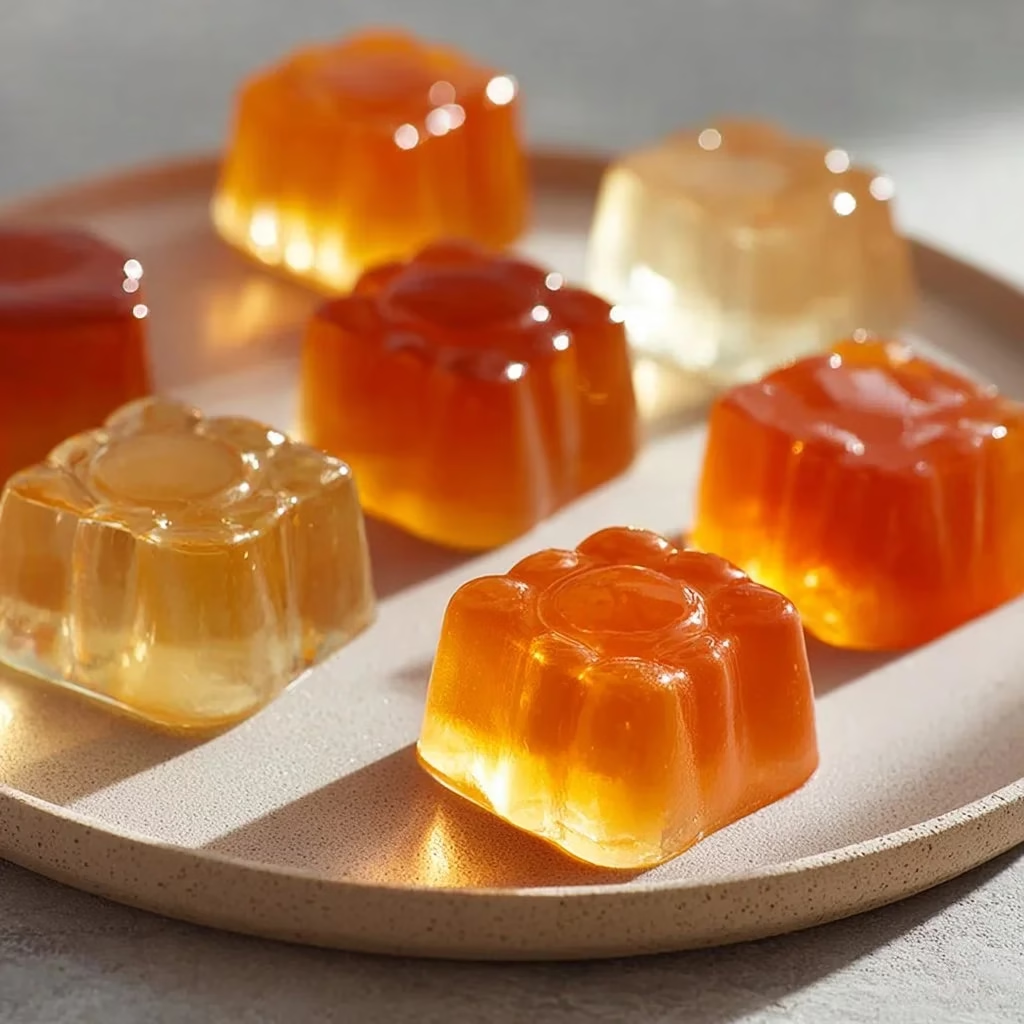
- Transfer to molds or a shallow dish. Pour the mixture into a glass dish or individual molds; a shallow dish chills faster and yields quicker set times. Expect a gentle citrus scent and a glossy surface.
- Chill until firm. Place in the refrigerator for 2 to 3 hours, or until the gelatin is set and slightly springy to the touch. For faster setting, use a shallow pan or lower fridge shelf.
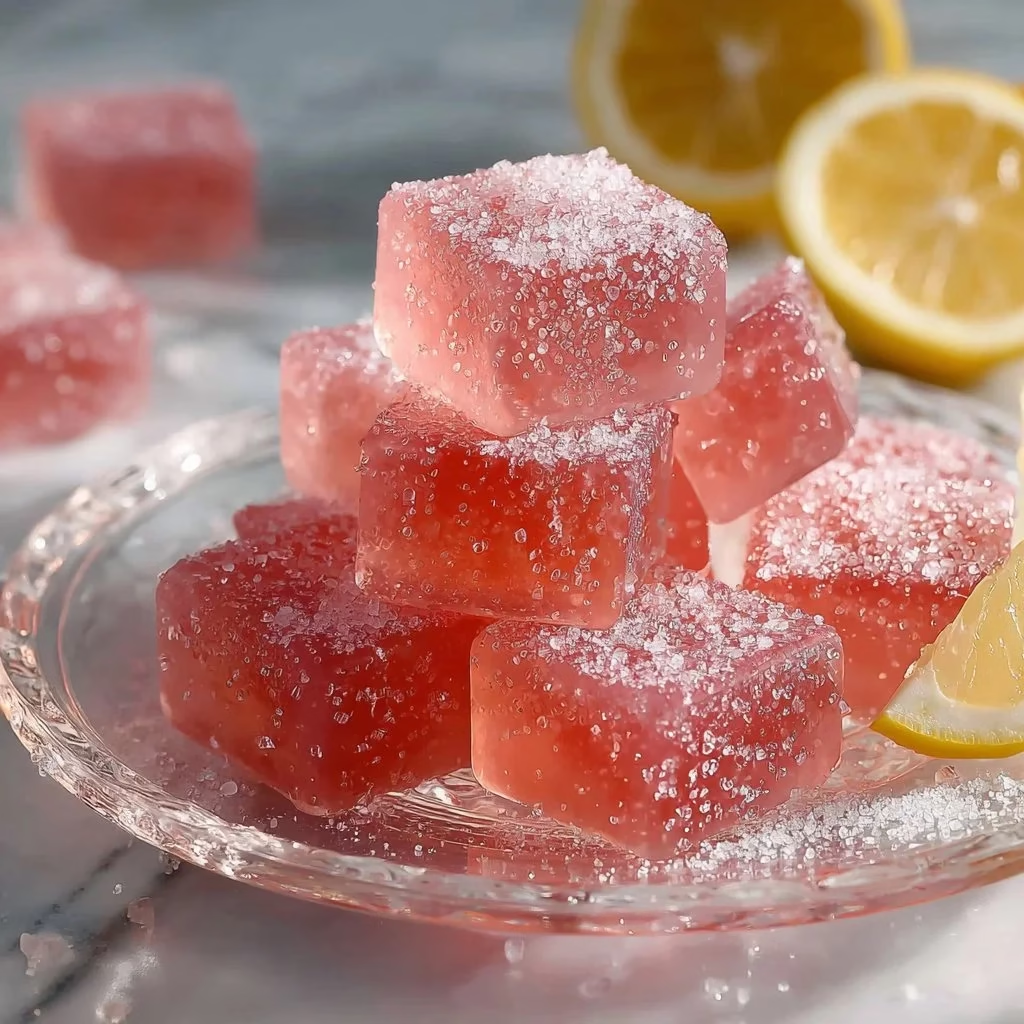
- Serve chilled. Cut into portions or unmold and serve cold, garnished with a twist of lemon zest or a few berries for a seasonal touch. The texture should be smooth, lightly jiggly, and refreshing.
For more step variations and a basic method comparison, the basic gelatin method explains simple approaches that work well for beginners basic gelatin method.
How to Use It for Better Weight Loss
Using Lemon Gelatin effectively means treating it as a strategic snack or dessert rather than a primary nutrition source. Enjoying a chilled portion after a meal can satisfy a sweet tooth and help reduce the urge to reach for higher-calorie treats. Because it is low in calories and easy to portion, it can support calorie awareness. Combine it with balanced meals and regular activity for best results. For a tangy alternative that some people prefer before meals, the apple cider vinegar gelatin variation offers another approach to timing and flavor apple cider vinegar gelatin variation.
- Timing: Try one serving after meals to reduce post-meal sweet cravings.
- Portions: Keep servings to about 1/2 to 1 cup to control calories.
- Frequency: 3 to 5 times per week is reasonable as part of a varied diet.
- Daily habits: Drink water alongside to support hydration and fullness.
- Safety: If you have food sensitivities or follow a medical diet, check ingredients and speak to a professional.
Tips & Variations
Lemon gelatin is versatile and can be adapted for calorie control, extra protein, or different flavor profiles. Small swaps can make it suitable for keto, vegetarian, or higher-protein goals without losing the light, refreshing character of the dessert.
- Low-calorie option: Use erythritol or stevia instead of sugar to lower calories.
- Flavor options: Add herbs like mint or basil, or mix in a few mashed berries for color.
- Protein boost: Stir in a small amount of unflavored collagen powder after dissolving the gelatin.
- Vegetarian swap: Replace gelatin with agar-agar, adjusting set times and temperatures.
- Citrus mix: Combine lemon with a bit of lime or orange juice for layered citrus notes.
Mistakes to Avoid
A few common mistakes can affect texture and flavor, but they are easy to fix with simple adjustments. Pay attention to temperatures during dissolving, measure accurately, and taste before chilling.
- Not blooming gelatin: Fix by sprinkling gelatin over cold water and letting it sit 3 to 5 minutes before heating.
- Overheating gelatin: Avoid boiling; dissolve in hot but not boiling water to preserve texture.
- Too much sweetener: Start with less, taste warm, and add more after chilling if needed.
- Using low-quality lemon juice: Fresh lemon juice gives brighter aroma and flavor; bottled juice can be more muted.
- Skipping portion control: Pre-portion into small molds or dishes to prevent overeating.
FAQs
Q: Can I prepare lemon gelatin ahead of time?
A: Yes, lemon gelatin can be made 1 to 3 days ahead and kept refrigerated in an airtight container. The texture holds up well, though very long storage can slightly soften the set. If you plan to prepare ahead, cover the surface to prevent absorption of fridge odors.
Q: How should I store leftover gelatin?
A: Store leftover gelatin in the refrigerator in a sealed container for up to 3 days for best texture. Avoid leaving it at room temperature for extended periods. If it loses firmness, chilling it again for an hour or two can help.
Q: What substitutions work if I do not have gelatin?
A: Agar-agar is a common vegetarian substitute, but it sets differently and often requires boiling and different quantities. Follow agar-agar package instructions and expect a firmer, slightly different texture. Collagen powder is not a direct substitute for setting but can boost protein if used alongside gelatin.
Q: Is there a best time to eat lemon gelatin for weight loss?
A: Many people find it helpful as a post-meal treat to reduce cravings, or as an afternoon snack to manage hunger. It should be part of a balanced eating pattern rather than a sole weight loss strategy. Listen to your hunger cues and use portion control.
Q: Is lemon gelatin safe for people with medical conditions?
A: For most people, lemon gelatin is safe as a food, but those with allergies, specific dietary restrictions, or who are pregnant should consult their healthcare provider. If you take medications that interact with certain ingredients or have conditions like diabetes, check with a professional before adding it regularly.
Final Thoughts
Lemon gelatin is an approachable, low-calorie option that many people find useful for managing cravings and adding a light dessert to their meal plan. Its bright flavor, smooth texture, and ease of preparation make it a flexible tool for different dietary goals. While it is not a magic solution for weight loss, it can be a helpful, satisfying option when used thoughtfully within a balanced diet. Try it and tell me how it worked for you!
Conclusion
For a DIY approach with tips on flavor and texture, see this practical guide to making lemon jello DIY Lemon Jello – Domestic Dreamboat, and for naturally sweetened options and recipe inspiration, explore this naturally sweetened lemon jello resource Naturally Sweetened Homemade Lemon Jello | Recipes to Nourish.
The information provided in this article is for educational purposes only and should not be considered medical advice. Everyone’s body is different, and what works for one person may not work for another. It’s always best to speak with your healthcare provider before making this a daily habit, especially if you are taking medications, managing a medical condition, or are pregnant or breastfeeding. Always consult your doctor for personalized guidance.
PrintLemon Gelatin
A simple, refreshing low-calorie gelatin snack made with lemon juice and gelatin powder, perfect for curbing sweet cravings.
- Prep Time: 10 minutes
- Cook Time: 0 minutes
- Total Time: 180 minutes
- Yield: 6 servings 1x
- Category: Dessert
- Method: Chilling
- Cuisine: American
- Diet: Vegetarian
Ingredients
- 1/4 cup cold water
- 1 cup water
- 1 packet unflavored gelatin powder
- 1/4 to 1/3 cup fresh lemon juice
- Sweetener (honey, sugar, erythritol, or stevia) to taste
- Optional: Fresh lemon zest or vanilla extract
Instructions
- Measure and bloom the gelatin by sprinkling it over 1/4 cup of cold water in a small bowl; let it sit for 3 to 5 minutes.
- Warm the remaining water to just below boiling, then pour it over the bloomed gelatin and stir until dissolved.
- Add lemon juice and sweetener, mixing until fully incorporated.
- Transfer the mixture into molds or a shallow dish.
- Chill in the refrigerator for 2 to 3 hours until firm.
- Serve chilled, garnished with lemon zest or berries.
Notes
Adjust sweetener to taste and experiment with flavor variations like herbs or mixed citrus.
Nutrition
- Serving Size: 1 serving
- Calories: 50
- Sugar: 0g
- Sodium: 30mg
- Fat: 0g
- Saturated Fat: 0g
- Unsaturated Fat: 0g
- Trans Fat: 0g
- Carbohydrates: 12g
- Fiber: 0g
- Protein: 2g
- Cholesterol: 0mg
Keywords: lemon gelatin, low-calorie dessert, refreshing snack, weight loss, gelatin recipe